
If you’re homeschooling, your home library isn’t just a shelf of books — it’s a workshop of imagination, a laboratory of thought, and the spine of your curriculum. The books you choose shape the atmosphere of your days, the discussions around your table, and the minds of the little humans you’re raising.
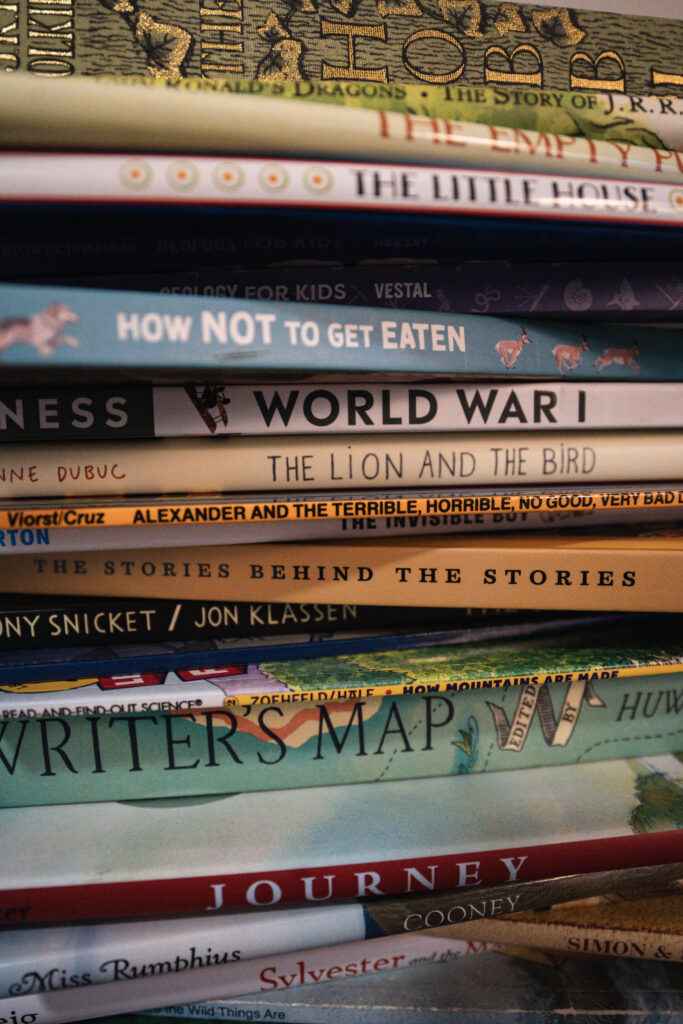
But with thousands of titles available and limited time, budget, and space, how do you know which books are worth buying?
In this guide, we’ll walk through how to thoughtfully build a homeschool library that nourishes curiosity and connection. You’ll learn:
- How to choose books that actually teach
- What “living books” are and why they matter
- What to avoid (even if it’s cheap or pretty)
- Examples of quality books by category
- Why encyclopedias can be magic when chosen wisely
Whether you’re starting from scratch or refining your shelves, this guide will help you stock a library that grows with your learners.
What Makes a Book Worth Owning?
Not every book on your shelf needs to be a classic, but it should earn its place. Here are five things to look for:
- Longevity – Can this book grow with your child? Will they want to return to it more than once?
- Literary Value – Does it use rich language, spark emotion, or model beautiful writing?
- Educational Depth – Does it teach more than one skill or subject? Can it be used across ages?
- Inspiration – Does it provoke curiosity, offer ideas to act on, or fuel imagination?
- Beauty – Is it visually or emotionally beautiful? Do your kids want to pick it up?
One of the best ways to identify books that check these boxes is by learning to recognize living books.
What Are Living Books?
Coined by Charlotte Mason, the term living book refers to books that are written by authors who are passionate about their subject, often in a narrative or conversational style, and that bring a topic to life for the reader. They pull the child in with story, voice, and depth—whether fiction or nonfiction.
Living books aren’t textbooks. They aren’t bullet points, summaries, or glossed-over definitions. They invite the reader to form a relationship with the material—to care, to wonder, to imagine, and to remember.
And they’re also not just narrative nonfiction.
Living books include stories, fables, richly illustrated picture books, biographies, poetry, beautifully written informational texts, and more. What makes a book “living” isn’t its genre—it’s its voice. It’s whether the author writes with passion, craft, and a desire to communicate something meaningful rather than simply deliver facts or entertain.
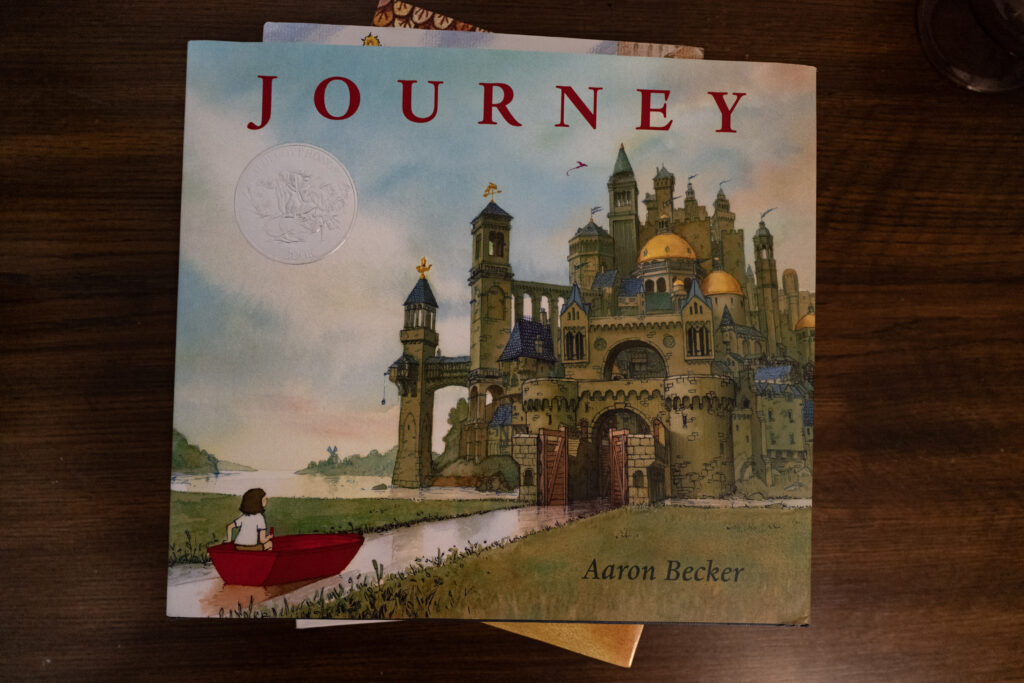
Picture books, especially, are often overlooked in this category, but they are some of the most powerful living books available.
A well-crafted picture book compresses masterful storytelling, vocabulary, rhythm, art, symbolism, and theme into a small space. The illustrations work hand-in-hand with the text, giving students context, emotional cues, and layers of meaning that deepen comprehension and spark discussion.
Children encounter big ideas in accessible ways. Older students notice nuance and technique.
The whole family can experience the same book at different levels—which is exactly what makes picture books indispensable in a mixed-age homeschool.
Living books meet children where they are and lift them higher, inviting them into the learning instead of placing information on them.
That’s why they’re the backbone of our literature study approach.
Characteristics of Living Books:
- Written by a single, passionate author (not a committee)
- Rich in language and style
- Emotionally or imaginatively engaging
- Focused on depth, not breadth
- Inspires wonder or action
- Encourages narration, discussion, or connection
Living Book Examples found in Discovery Grove Learning Co. Studies:
At Discovery GroveLearning Co., we integrate living books throughout our curriculum, especially for grades 1–3. Here are a few examples:
- The Hobbit (illustrated by Jemima Catlin) – A rich fantasy tale that builds vocabulary, explores heroism and adventure, and introduces literary themes in a way children feel.
- The Story Book of Science (Jean-Henri Fabre) – Though over 100 years old, this conversational introduction to science still fascinates children with its personified elements and engaging storytelling.
- The Lion and the Bird (Marianne Dubuc) – A quiet picture book with emotional weight and subtle storytelling that teaches theme, setting, and friendship.
Living books are at the heart of the Discovery Grove Learning Co. writing process. Students begin each unit immersed in these books, and then create projects — such as writing and illustrating their own picture books — inspired by what they’ve read.
Don’t Sleep on Encyclopedias
While they’re not technically living books, quality encyclopedias have a rightful place in a homeschool library, especially for curious kids.
Some children (and adults!) thrive on structure, facts, and detailed images. A good encyclopedia offers:
- Independence for self-directed learners
- High-interest information in digestible chunks
- Fascinating visuals
- A launchpad for rabbit trails and research
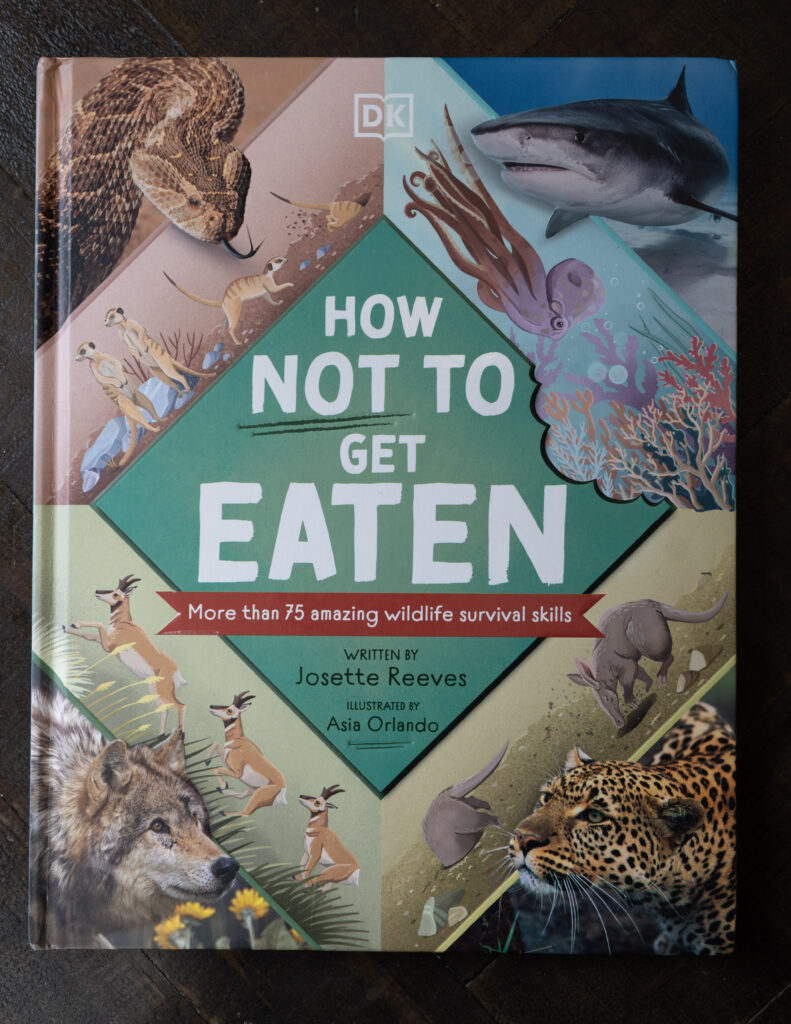
What Makes an Encyclopedia Worth Owning?
Not all encyclopedias are created equal. Look for:
- Thematic or narrative structure (not just dry lists)
- Visually engaging spreads with well-labeled diagrams
- Bite-sized but accurate content
- Appealing layout that invites browsing
Examples of High-Quality Encyclopedias:
- DK Eyewitness Books – The gold standard for engaging nonfiction. Topics like Ancient Egypt, Invention, and Shark come alive with real photography and strong visuals.
- Where on Earth? Dinosaurs and Other Prehistoric Life (DK) – This is a favorite for geography-loving dino fans. It maps prehistoric creatures by region and time period.
- Behind the Scenes at the Zoo (DK) – A visually engaging, real-world nonfiction book that blends zoology, animal care, ethics, and day-to-day operations.
Having a few encyclopedias in your home can support open-ended learning, research skills, and joy-led discovery. Especially for early-elementary students who aren’t reading fluently yet, the visuals and diagrams can communicate ideas in ways words can’t.
Examples by Category: A Home Library Starter List
Here’s a curated sampling of excellent books across genres, many of which are part of Discovery Grove Learning Co. units.
Picture Books (Literature & Writing)
- Journey by Aaron Becker – Wordless storytelling at its best
- If I Built a House by Chris Van Dusen – Creative narrative + STEM
- The Lion and the Bird by Marianne Dubuc – Gentle, poetic, and deep
Science
- The Story Book of Science by Jean-Henri Fabre – Living science classic
- Behind the Scenes at the Zoo (DK) – Deep-dive rabbit-trail wonder
- DK Eyewitness: Human Body – Highly visual and information-rich
History & Culture
- An Illustrated Timeline of Inventions and Inventors – Chronological with strong narrative arc
- The 5,000-Year-Old Puzzle – Combines archaeology with real problem-solving
Writing Inspiration
- Ralph Tells a Story by Abby Hanlon – Encourages writing even when it feels hard
- Little Red Writing by Joan Holub – A clever mix of grammar and fairy tale
Anchor Texts for Literature Study
- The Hobbit – Fantasy, hero’s journey, rich vocabulary (check out our 12-week study here)
- The Wizard of Oz – Classic American fantasy with thematic depth
- The Lion, the Witch and the Wardrobe – Good vs evil, symbolism, rich imagery
For more ideas and recommendations, check out our Bookshelf.
Final Tips for Building a Strong Home Library
- Start slow. A small, thoughtful shelf is better than a cluttered wall of unread books.
- Buy for the long game. Choose books your kids can grow into or revisit later.
- Use the library to preview. Try before you buy, especially with encyclopedias or themed picture books.
- Choose real over trendy. Classic stories, powerful illustrations, and rich language will last longer than licensed characters or fast-publishing fads.
- Rotate books. Keep some in storage and refresh your shelves seasonally to maintain interest.
Closing Thought
Your homeschool doesn’t need to look like a school — and your shelves don’t need to look like a curriculum catalog. A home library filled with living books, curiosity-sparking encyclopedias, and stories worth telling again and again will do more than teach your children — it will shape the way they see the world.
And that’s exactly the kind of learning that lasts.