
If you’re homeschooling a child with ADHD, you already know the challenges: getting them to sit still, stay on task, or finish a practice sheet can feel like trying to hold water in your hands. But you also know the magic that happens when they’re truly engaged. When they’re immersed in a story, their focus sharpens, their imagination blooms, and they remember the details days (or weeks!) later.
This isn’t a fluke. It’s neuroscience.
In this post, we’ll explore why story-based learning is such a powerful tool for ADHD learners, the brain science behind it, and how you can use it in a real-world homeschool setting—even with multiple kids in the mix.
The ADHD Brain: What We’re Really Dealing With
ADHD (Attention-Deficit/Hyperactivity Disorder) isn’t a discipline problem or a character flaw. It’s a neurological difference. Kids with ADHD often struggle with executive functioning—the mental skills that include working memory, flexible thinking, and self-control.
According to the Centers for Disease Control and Prevention, children with ADHD have measurable differences in brain development that affect attention, impulse control, and planning. But here’s the encouraging part: those same brains are often bursting with creativity, energy, and a deep need for meaningful engagement.
It’s often tempting to think of a student with ADHD having trouble focusing. But that isn’t really what’s happening. Oftentimes, when a student seems distracted or unfocused, it’s really just that their brain and attention are focusing on something different. And it’s a sign that what you want them to focus on is either:
- Too easy
- Too hard
- Lacks a hook in.
That’s where story comes in.
What the Research Says: Stories Engage the Whole Brain
Unlike rote memorization or isolated facts, stories light up multiple areas of the brain simultaneously. According to a 2020 Neuropsychology Review study, narrative-based instruction enhances memory retention, comprehension, and motivation—especially in children with attention challenges.
When children hear or read a story, it activates not only the language centers of their brain but also regions involved in emotional processing, sensory experience, and motor planning. As neuroscientists Immordino-Yang and Damasio explain in their foundational 2007 study, stories help us “feel our way into learning.”
In short: stories make learning stick.
Real-Life ADHD + Story Learning: What It Looks Like at Home
1. History Comes Alive Through Story
Instead of memorizing dates or completing a dry textbook worksheet, imagine reading D’Aulaire’s Leif the Lucky aloud on the couch while your kids draw Viking ships. Your ADHD child may wiggle or interrupt—but they’re absorbing. Later, they’re the one who remembers where Leif landed or what he wore.
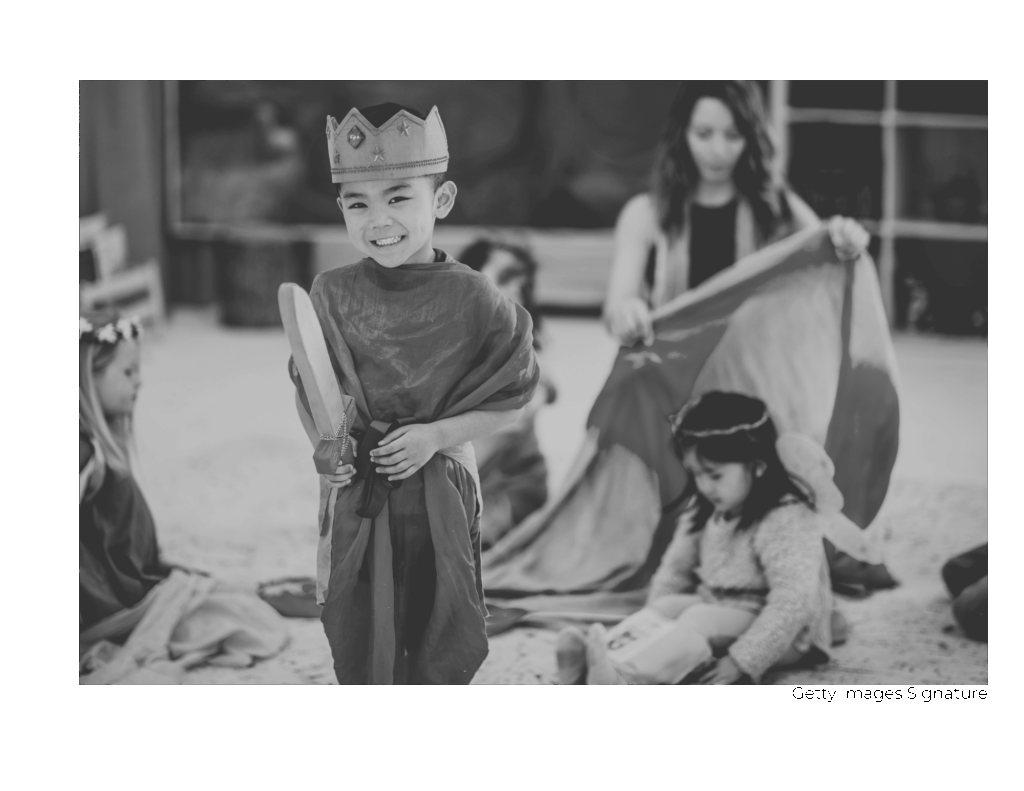
Pro tip: Add movement! Let kids dress up, act out scenes, or build historical settings with blocks or Legos.
2. Science Becomes Adventure
Take a unit on weather. Instead of listing cloud types, read a picture book like Cloudy With a Chance of Meatballs and connect it to a cloud-identification nature walk. Let them make their own illustrated “weather forecast” comic strip. Your ADHD child is learning by doing, imagining, and narrating—not just checking boxes.
Pro tip: Use story-driven documentaries (like BBC’s Frozen Planet) as rich visual storytelling. Pair it with journaling or oral narration.
3. Literature-Based Language Arts
This one’s easy: instead of grammar drills or spelling lists, base your language arts on a living book. Read The Hobbit aloud, then explore figurative language, sentence structure, and new vocabulary in context. It feels meaningful—because it is.
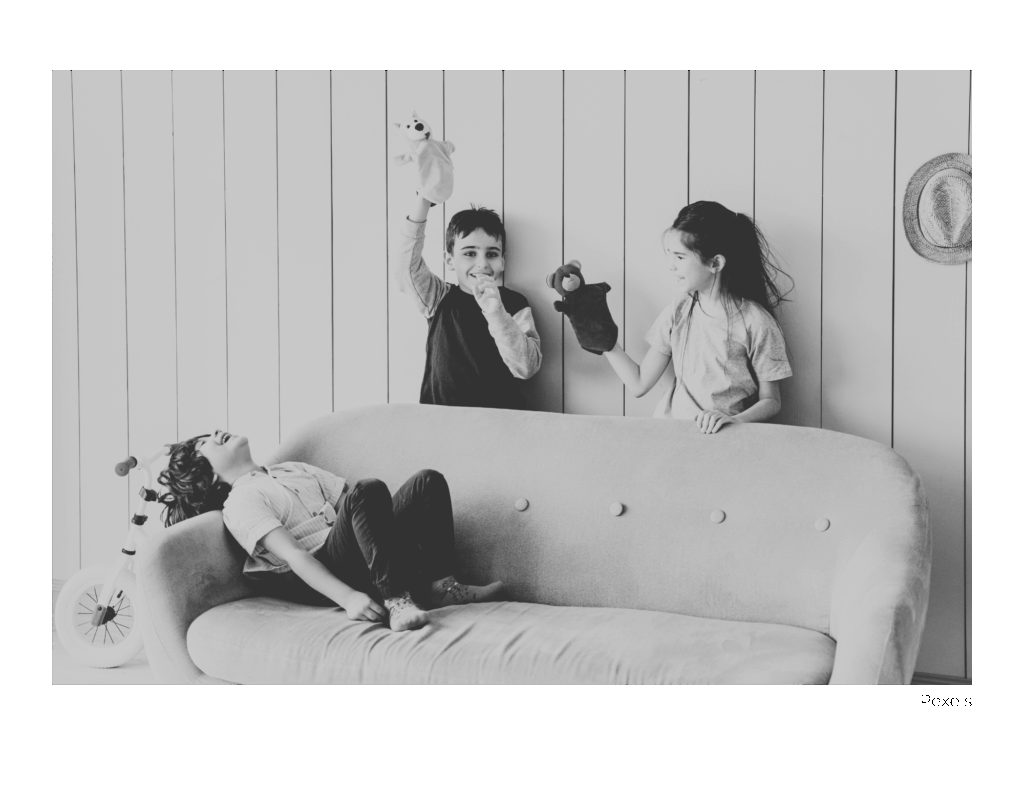
Pro tip: Let your ADHD child retell parts of the story using puppets, Lego scenes, or skits. Oral narration builds memory, sequencing, and comprehension.
Teaching Multiple Kids This Way? Yes, You Can
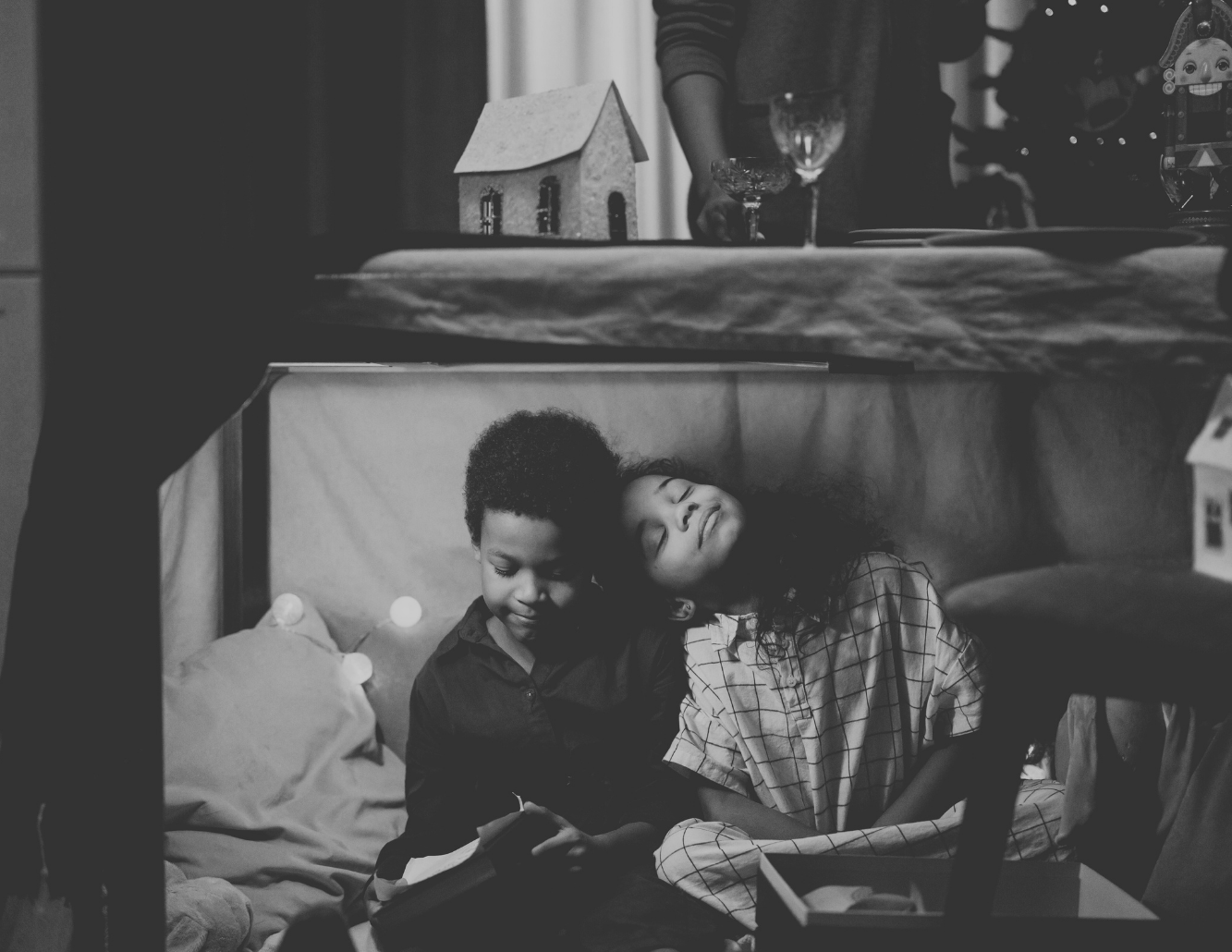
The beauty of story-based learning is that it works across ages. While reading Little House in the Big Woods, your 1st grader can draw story scenes while your 3rd grader writes a journal entry as if they were Laura. A toddler might listen quietly (or perhaps loudly) with a snack or play nearby.
It doesn’t have to be perfect. It just has to be shared.
Pro tip: Choose one anchor story per week and build your subjects around it. History, writing, science, art—all tied to one rich narrative.
The Science of Connection
When you tell or read a story to your child, especially one that sparks imagination or emotion, you’re doing more than teaching content. You’re building connection.
Dr. Daniel Siegel, author of The Whole-Brain Child, emphasizes that relationships and emotional engagement are critical to learning. For kids with ADHD—who often experience correction, frustration, and disconnection in traditional settings—story offers a healing, human way to learn.
And in a family-style homeschool, that connection becomes your greatest teaching tool.
What to Look for in a Story-Based Curriculum
Not all story-based programs are created equal. Look for:
- Rich, literary language (not just entertainment)
- Cross-subject integration
- Hands-on extensions (crafts, experiments, art)
- Flexible pacing
- Room for narration, discussion, and creative output
This is the heartbeat of the Art of Learning program from Discovery Grove Learning Co. We don’t use stories as frosting on top of the “real” subjects. We use stories as the structure.
Our 12-week units anchor lessons in beautiful books, nature study, hands-on projects, and meaningful writing—all designed with ADHD and multi-age families in mind. No busywork. No rote memorization and overwhelm. Just good books, deep learning, and lasting connections.
Final Thoughts: When Learning Feels Like a Story, It Sticks
ADHD learners are inspired thinkers. They just need learning that meets them where they are: curious, imaginative, active, and hungry for meaning. Story is the secret weapon that helps them focus, engage, and remember. And what works beautifully for them tends to work for all your kids.
So when in doubt, tell a story.
Let that be the lesson.
Want to see how story-based learning could transform your homeschool?
Explore the Art of Language literature and language arts program here and grab a free week of our Hobbit study to try with your family.
Because when kids feel the story, they become part of the learning—and that changes everything.