
If you’ve chosen to homeschool—or are considering it—you’ve likely felt the weight of it.
Not just logistics. Not just curriculum.
But responsibility.
- What if I don’t do enough?
- What if I miss something important?
- What if they fall behind?
These are real questions.
But often, they’re built on the wrong definition of responsibility.
So let’s define it clearly—so you can move forward with confidence, not pressure.
Every Parent Is Responsible for Their Child’s Education
Every parent has a responsibility to provide an education for their children.
This is true whether a child is:
- homeschooled
- in private school
- or in public school
The difference is this:
As a homeschool parent, you are choosing a path where you have more say in the shape, depth, and focus of that education.
That is a gift.
And it can also feel daunting.
What Homeschooling Responsibility Is Not
Before we talk about what matters, we need to clear away what doesn’t.
Your responsibility is not:
- Recreating a classroom at home
- Teaching every subject perfectly
- Keeping up with traditional pacing
- Constantly measuring and comparing progress
And it is not:
Carrying the pressure that your child’s entire future depends on your daily performance
That kind of pressure leads to burnout—for both of you.
What Your Responsibility Actually Is
At its core, your role is both simpler and deeper than most people expect.
Your responsibility is to cultivate a home where growth is happening—academically, personally, and relationally.
Not just to deliver information.
But to guide development. This is the job you’ve had since becoming a parent.
1. Provide Direction (Without Controlling Everything)
Children need direction.
They need a parent who:
- Chooses what is worth learning
- Introduces ideas, books, and skills
- Provides a steady path forward
- Pays attention
This doesn’t require constant control. (That may actually destroy what you’re trying to build).
It requires clarity.
You are setting the course—
but your child is learning to walk it.
2. Build a Home Where Learning Is Lived
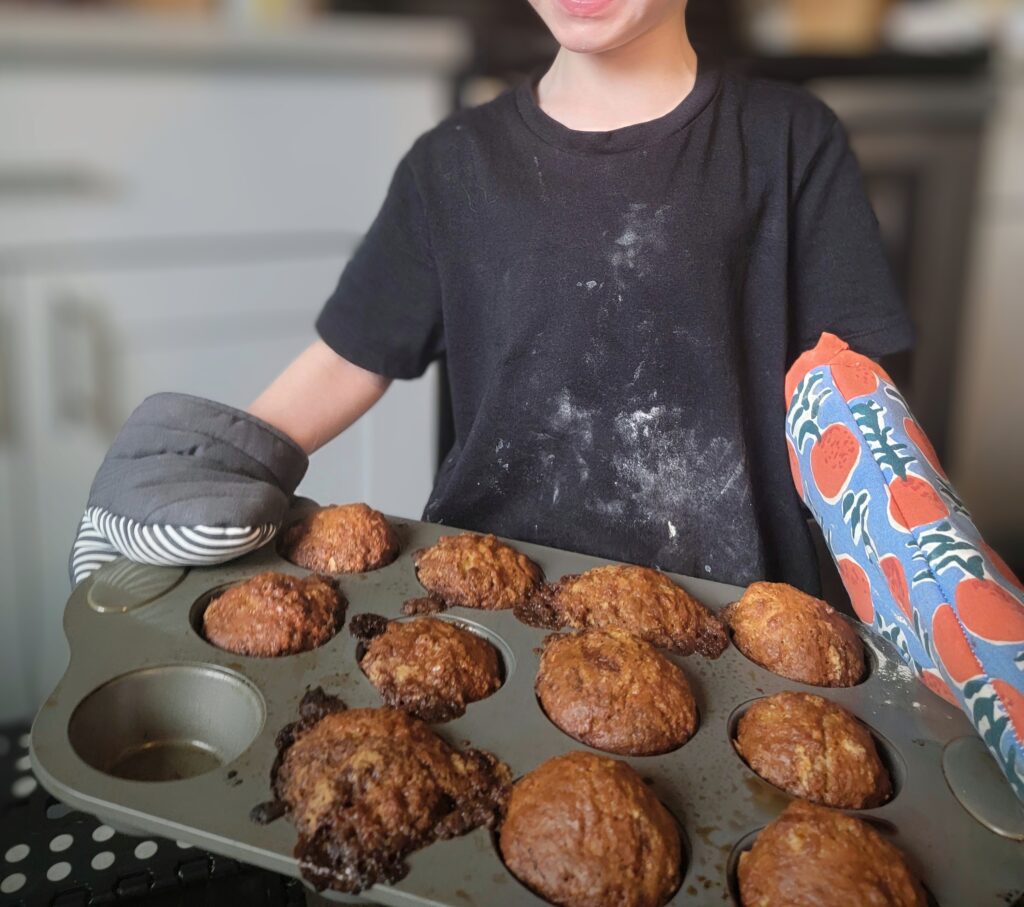
One of the greatest advantages of homeschooling is this:
Learning is not confined to a subject or a time block.
It becomes part of life.
Your role is to create an environment where:
- Learning is visible
- Curiosity is welcomed
- Questions are explored
- Growth is normal
And this environment begins with you.
When your children see you:
- Reading
- Learning
- Trying something new
- Thinking through problems
They begin to understand that learning isn’t something we finish.
It’s something we live.
Start Here
If you’re unsure how to structure your days in a way that supports this kind of environment,
the Bare-Roots Homeschool Planner will help you build a simple, flexible rhythm that fits your real life.
3. Build Foundational Skills (Before Academic Output)
When most people think of “foundational skills,” they think of:
- Reading
- Writing
- Math
And yes—those absolutely matter.
But they are not the first foundation.
The Foundations That Come First
Before strong academic work, children need:
- Attention
- Courtesy (listening, respect)
- Order
- Obedience
- Curiosity
- Thoroughness
- Initiative
These are the habits that make learning possible.
The Physical and Emotional Foundations
Children are also developing:
- Fine motor skills
- Large motor coordination
- Mind-body awareness
- Emotional understanding
These matter just as much.
They support everything else.
Where Reading, Writing, and Math Fit
Reading, writing, and math are essential—but they develop progressively, not all at once.
Especially between ages 6–9, you’ll see:
- Increasing focus
- More consistent practice
- Growing independence
And importantly, these skills are learned in response to life:
- Reading gives access to what we want to know
- Writing allows us to communicate and create
- Math helps us bring order to daily life
They are not abstract subjects.
They are tools.
4. Work Within Your Capacity
This is where many homeschool parents quietly burn out.
They try to:
- Do too much
- Add too many subjects
- Follow unrealistic routines
Responsibility does not mean doing everything.
It means doing what matters—well.
A Better Approach
Start with:
- A simple rhythm
- A few core areas
- A manageable structure
Then build slowly.
Growth should feel:
- steady
- sustainable
- possible
5. Protect the Experience of Learning
Learning should not feel like constant pressure.
It should feel:
- engaging
- meaningful
- alive
Not always easy—but worth doing.
When the environment is right, children move toward learning—not away from it.
👉 A Gentle Next Step
If you’re looking for a way to build strong language skills within a meaningful, literature-rich environment,
Art of Language was designed to support this kind of learning—
helping children grow in reading, writing, and communication through shared ideas and experiences, not isolated exercises.
If You Feel Like You’re Not Doing Enough
This feeling is incredibly common.
And often, it comes from comparing your homeschool to a system it was never meant to replicate.
If your child is:
- growing in attention and habits
- developing curiosity
- building foundational skills
- engaging with ideas
You are not behind.
You are doing the work.
Final Thought
Your responsibility as a homeschool parent is not to do everything.
It is to:
- Provide direction
- Build a culture of learning
- Develop strong foundations
- Work within your capacity
- Grow alongside your children
That is more than enough.
If You’re Still Figuring This Out
Start simply.
- Create a flexible plan → Bare Roots Planner
- Focus on meaningful, shared learning → Art of Language
- Build from there
You don’t need to carry the entire weight of your child’s education.
You need to guide it—steadily, intentionally, and over time.